
A Timeline of the American Revolution
CLICK HERE
Outline of Chapter / Content
CLICK HERE
Now For Something Humorous
CLICK HERE
Figures of Note
George Washington

-Washington is a Virginia native who ended his formal education at fifteen. During the buildup to the French and Indian War, young Washington was sent to the Ohio River Valley to parle with the French and ask them to remove forts from contested land. His journal of the trek home was published and earned him international fame.
You can read that journal HERE
Washington returned to the Ohio River Valley in 1754, set up Fort Necessity and caused the physical start of the French and Indian War when his militia men and French forces clashed. The French surrounded Washington's troops and they were sent running, bruised and battered, in defeat.
Washington remained in the war and distinguished himself in battle under Braddock's troops and was eventually given control of Virginia forces, which afforded him experience for the years ahead.
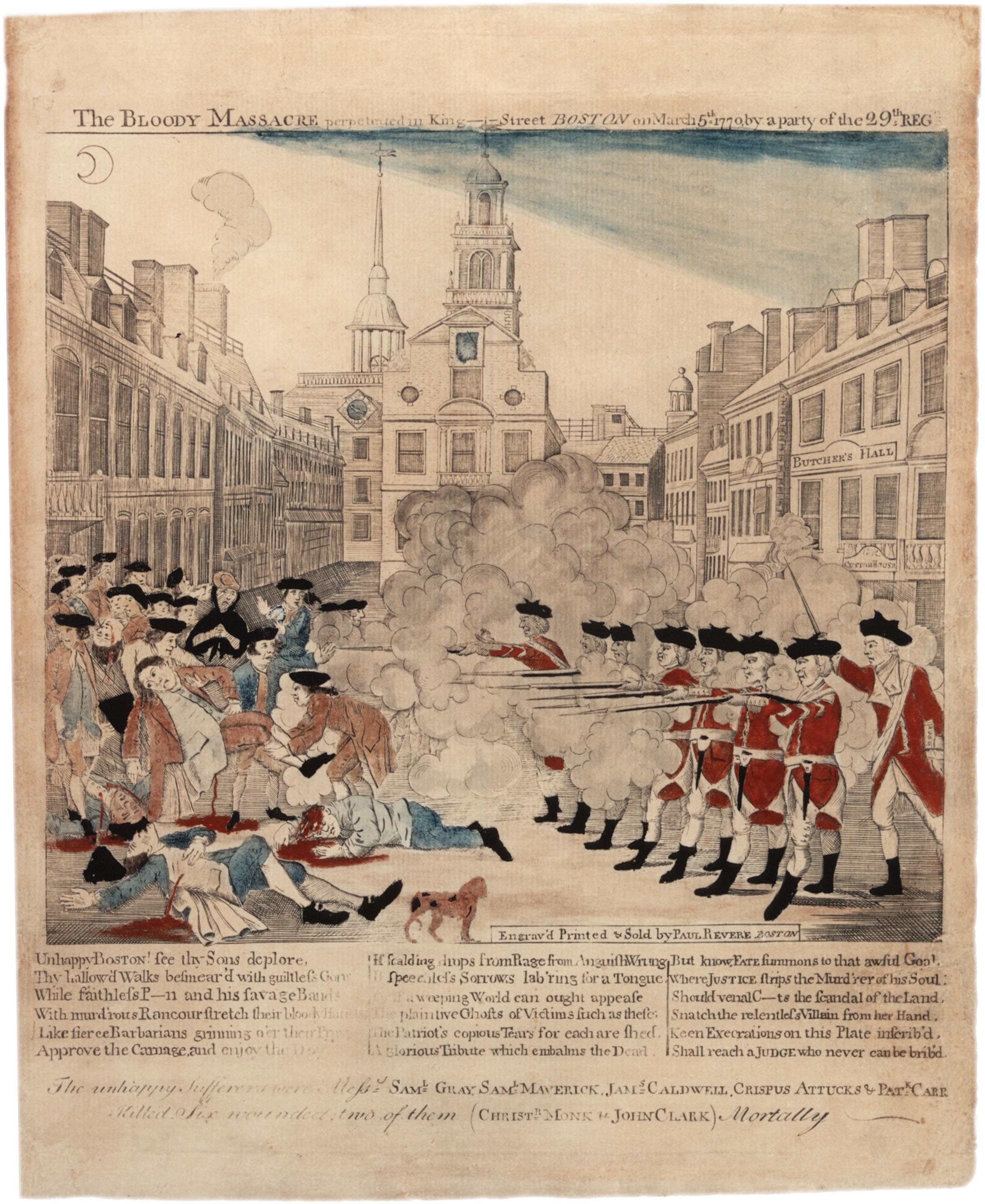
Crispus Attucks
One of the five men killed during the initial skirmish between American colonists and British soldiers on March 5, 1770. Attucks is widely known as the first death of the American Revolution.
More information on Attucks HERE
Thomas Jefferson

Thomas Jefferson was born on April 13, 1743. He was the son of a plantation owner and entered into the life of the landed Virginia gentry. He was well educated and attended the College of William and Mary in 1760. Jefferson built his home, Monticello over the course of many years, making vast changes and designing all of the home himself. He was a true child of the Enlightenment, and the language of his Declaration of Independence mirrors concepts of liberty and reason. Although Jefferson wrote in his legendary document that all men were equal, Jefferson owned slaves. Jefferson...who attempted to abolish the importation of slaves and ban the practice of slavery in Virginia in the 1770s and 1780s ultimately was unable to influence a change to an increasingly divisive problem. He also never freed his own slaves.
The Revolutionary War Period in Literature and Film
(Note: This is for Entertainment purposes and are for the most part, fictional)
The Last of the Mohicans
By: James Fenimore Cooper
Read the Book for Free HERE
Buy or Rent the Film HERE
1776
By: David McCullough
Buy the Book HERE
The Patriot
Rent or Buy the Film HERE
Other Links:
The Stamp Act HERE
Paul Revere's Engraving of the Boston Massacre HERE
Boston Massacre Trial Notice HERE
The Tea Act HERE
Common Sense by Thomas Paine HERE
The Declaration of Independence HERE
If you have any questions or concerns about the chapter reading, the content of the lecture, or any notes on this site, contact Ms. Wilson HERE


No comments:
Post a Comment